

The International Bureau of the World Intellectual Property Organization (WIPO) has released the 13th Edition of the Nice Classification (NCL 13) effective 1 January 2026, replacing the 12th Edition (NCL 12), which had been in force since 1 January 2023. This change was formally announced through Notification No. 37/2025 dated 14 November 2025.
The adoption of NCL 13 introduces changes to the classification of several goods, including the following:
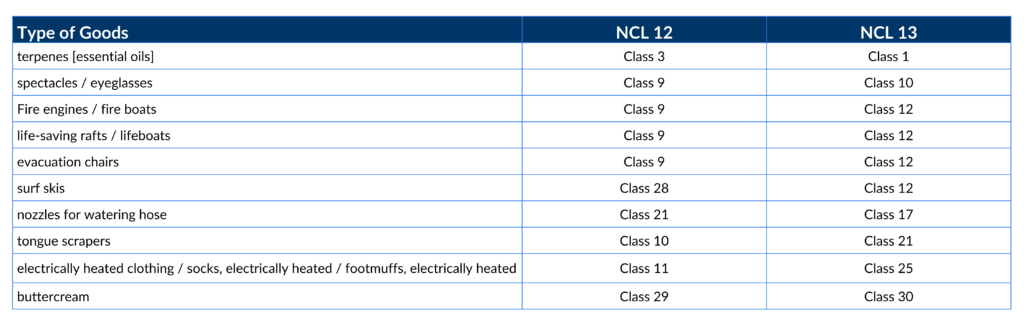
These changes primarily apply to trademark applications filed under the Madrid Protocol starting from 1 January 2026 and will not affect the class allocation of trademark applications filed prior to that date.
As is widely known, Indonesia ratified the Nice Agreement Concerning the International Classification of Goods and Services for the Purposes of the Registration of Marks through Presidential Regulation No. 10 of 2023 dated 20 January 2023. Accordingly, pursuant to Article 4 of the Nice Agreement, amendments to the Nice Classification should take effect six months from the date on which the notification is dispatched to the Directorate General of Intellectual Property (DGIP) as the national Trademark Office.
Although, from a normative perspective, the above class changes do not affect the legal protection of already registered trademarks, trademark owners and prospective applicants are advised to anticipate the practical implications of revised classification, including but not limited to the following:
- Asynchronous Adoption Across Jurisdictions
If the DGIP does not adopt NCL 13 simultaneously with the WIPO International Bureau and/or priority countries, this may give rise to potential cross-class conflicts for similar goods between marks filed through the Madrid Protocol and priority rights, on the one hand, and national trademark applications, on the other.
- Trademark Application Monitoring
Trademark monitoring services are generally offered on a per class basis. As a result, brand owners should consider whether they need to expand the scope of monitored classes as part of their trademark protection strategy for goods affected by the NCL 13 reclassification.
- Trademark Portfolio Development Strategy
Businesses should reassess their trademark portfolio development strategies for goods affected by class changes under NCL 13. This may include conducting more comprehensive preliminary searches across the affected classes to anticipate potential refusals by the DGIP. Trademark owners impacted by NCL 13 may also consider filing in newly relevant classes to strengthen the overall scope of their trademark protection.
- Challenges in Trademark Enforcement
The reclassification of goods increases the likelihood of cross-class enforcement issues. This presents additional challenges in trademark protection, as classification remains a key reference point in assessing similarity of goods and services.
- Deletion and Modification of Goods and Services
The amendments introduced under NCL 13 are not limited to the reallocation of goods between classes. They also include revisions to class headings, changes in the wording of goods and services, deletions, as well as the introduction of new goods and services.
In light of the above, trademark owners are encouraged to proactively assess and mitigate potential risks arising from the implementation of NCL 13 in order to optimize their trademark protection strategies in line with their respective business needs. For further information or consultation regarding the application of NCL 13 in Indonesia, please contact us at januar@jahja.com.
Contributed by Richard Jatimulya Alam Wibowo for JJP Knowledge Center on 19 February 2026.